How to Choose the Right Smart Charger for Your Batteries
Not all chargers are created equal. We break down what to look for in a smart charger — bay count, max current, chemistry support, and LCD features — to help you pick the right one.
A good smart charger does far more than just top up your batteries. It monitors voltage, controls charge current, detects chemistry, and protects against overcharge — all automatically. But with dozens of models on the market, choosing the right one can be confusing. Here's what to look for.
1. Bay Count
Chargers come in 1, 2, 4, 6, and 8-bay configurations. If you only charge a few cells at a time, a 2-bay charger is compact and affordable. If you run a workshop, a torch collection, or a vape fleet, a 4 or 8-bay unit saves time. Look for chargers where each bay operates independently — so a full bay doesn't slow down charging in an adjacent empty bay.
2. Maximum Charge Current
Charge current is measured in amps (A). A higher current charges faster but generates more heat. For most 18650 and 21700 cells, 1A per bay is a safe, cell-friendly rate. Many chargers offer selectable current (0.5A, 1A, 2A) — this flexibility is worth having. Avoid cheap chargers that push 2A+ with no current control, as this shortens cell life.
3. Chemistry Support
Most quality chargers support Li-ion (including IMR, INR, ICR) and NiMH/NiCd. If you use LiFePO4 cells (common in solar and EV applications), confirm the charger explicitly supports 3.2V chemistry — not all do. Charging a LiFePO4 cell on a standard Li-ion profile will overcharge it.
4. LCD Display and Diagnostics
A good LCD shows voltage, charge current, capacity delivered (mAh), and charge status per bay. The best chargers also show internal resistance — a rising IR reading is an early warning that a cell is degrading. This is especially useful for cells used in high-drain applications.
5. Size Compatibility
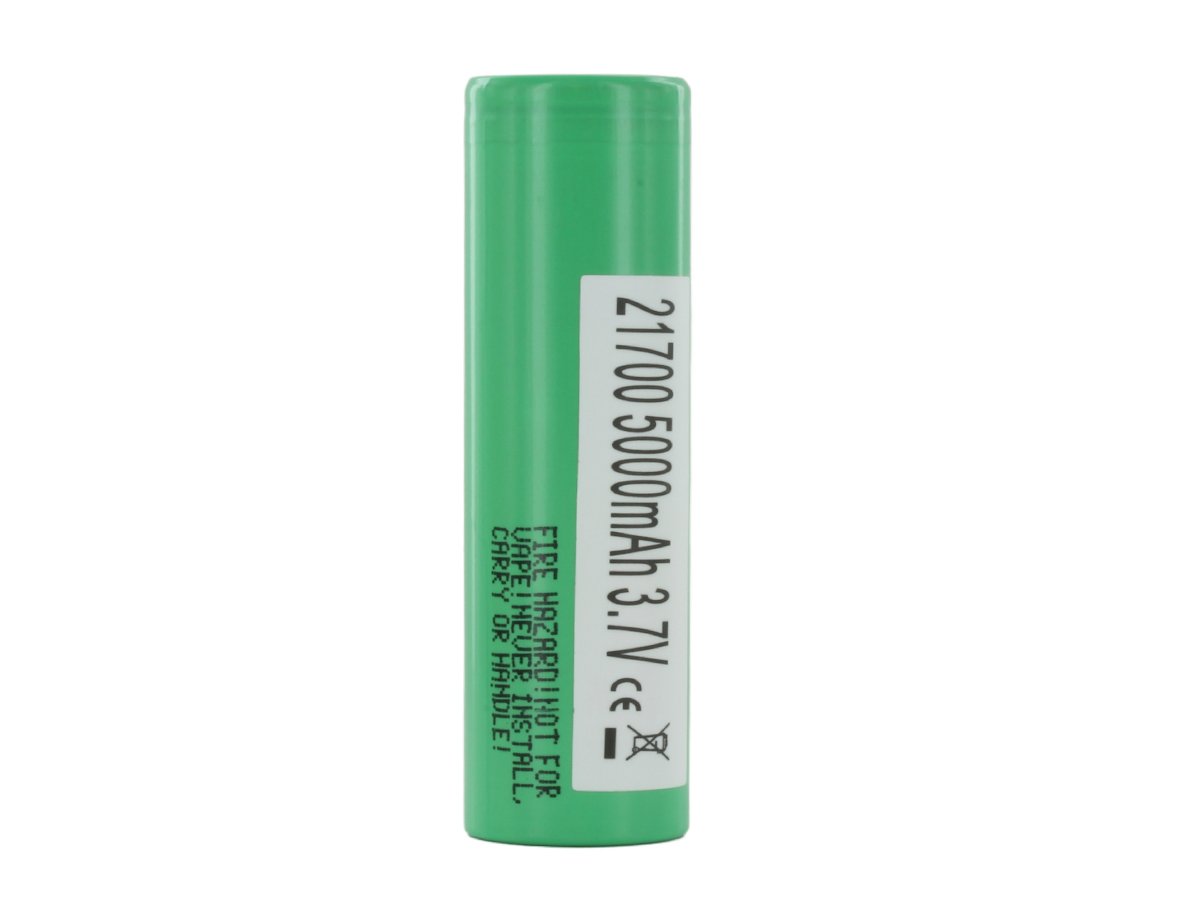
Check that the charger accepts the cell sizes you use. Most chargers handle 18650 and 21700 without issue, but some older models have bays too short for 21700 cells (70mm long). If you use 26650, 20700, or flat-top cells, verify compatibility before buying.
| Feature | Budget Charger | Mid-Range | Premium |
|---|---|---|---|
| Independent bays | Sometimes | Yes | Yes |
| Selectable current | No | Yes | Yes |
| LCD per bay | No | Basic | Full (V, mA, mAh, IR) |
| Chemistry detection | No | Li-ion + NiMH | Li-ion + NiMH + LiFePO4 |
| Internal resistance | No | No | Yes |
Our Recommendations
For most users, a 4-bay charger with selectable current and a per-bay LCD hits the sweet spot of features and price. Xtar and Nitecore both make reliable chargers in this category that are well-supported in the UAE.
Never leave batteries charging unattended overnight, regardless of charger quality. Even the best chargers can fail, and a thermal event in a charged cell is a serious fire risk.
Where to Buy in the UAE
Battery Gulf stocks a curated range of smart chargers from Xtar and Nitecore, all tested for compatibility with the 18650 and 21700 cells we sell. Fast delivery across all seven emirates, with same-day dispatch on orders before 2pm.